There is global evidence of widespread disengagement, burnout, and lack of purpose at work—confirming a real problem, not a perceived one.

Ethical, emotionally intelligent, and reflective leadership strongly improves engagement, performance, and innovation—the exact outcomes CTL aims to cultivate.

Structural shifts in work (e.g., hybrid models and digital transformation) require leadership able to manage complexity, responsibility, and human well-being.
Across industries, cultures, and continents, a consistent picture is emerging:
work is no longer merely a place of productivity—it has become a defining space of meaning, identity, and well-being. Yet for many organizations, the systems, leadership models, and cultural assumptions shaping work have not kept pace with this reality.
The research is clear. Low engagement, declining trust, widespread burnout, and a growing sense of disconnection are not isolated problems—they are symptoms of a deeper misalignment between how work is organised and what it means to be human. When people are treated primarily as resources rather than responsible agents, performance may be sustained for a time, but flourishing is lost—and eventually, so is effectiveness.
Leadership sits at the centre of this challenge. Studies consistently show that leadership quality—especially ethical leadership, emotional intelligence, and purpose-driven vision—directly shapes organizational culture, employee engagement, innovation, and long-term resilience. Where leadership is transactional, disengagement multiplies. Where leadership is formative, trust and responsibility take root.
These findings reveal an urgent need for more than technical training or management skills. What workplaces require is formation—the intentional shaping of people who can lead with integrity, steward responsibility, navigate complexity, and align organizational goals with human dignity.
This is precisely where the Workplace Transformation Program intervenes.
Rather than offering quick fixes or surface-level solutions, the program addresses the foundational questions the research points to:
What kind of people are our workplaces forming?
What values are our systems reinforcing—intentionally or otherwise?
How do leaders cultivate environments where purpose, accountability, and performance coexist?
By integrating reflective practice, ethical leadership, vocational clarity, and organizational responsibility, the course equips participants to respond meaningfully to the realities highlighted by current research. The goal is not merely better workplaces, but healthier people within them—and, by extension, healthier institutions and societies.
In a world where work increasingly shapes who we become, workplace transformation is no longer optional. It is essential.

Only 21% of employees worldwide are actively engaged in their work, while a large majority are disengaged or disconnected from organizational purpose.

Research shows that 85% of workers have experienced job-related burnout, affecting performance and wellbeing.

Leaders’ behaviour is a primary predictor of employee engagement, trust, and organizational performance.
Transformation begins with people, but it must manifest in how organizations operate, lead, and grow.
The CTL Workplace Transformation Program helps organizations address key questions such as:
How do we foster environments where people are engaged, not just managed?
What does ethical and responsible leadership look like in practice?
How can work be meaningful, not just transactional?
What systems and cultures support resilience and dignity?
How do we align organizational purpose with individual wellbeing?
This program moves organizations beyond surface-level interventions (training modules, compliance drills, or performance KPIs) toward deep culture change rooted in human dignity, responsibility, and long-term effectiveness.
The Workplace Transformation Program is a custom training and consulting engagement structured around your organization’s specific context and needs.

We begin with listening sessions, leadership interviews, and cultural assessment to identify organizational strengths and areas of tension.

Transformative workshops address both mindset and practice: Leadership and ethical decision-making Work, purpose, and human dignity Culture shaping and organizational health Emotional intelligence in teams Navigating complexity with clarity and resilience

Participants are invited into reflective practice (not shallow checklists) that translates into everyday decisions and leadership habits — aligning personal and institutional responsibility.

We offer coaching for leadership teams and action planning to help sustain transformation beyond the engagement period.
The CTL Workplace Transformation Program is grounded in:


We work with organizations not as vendors, but as partners in long-term resilience and responsibility.
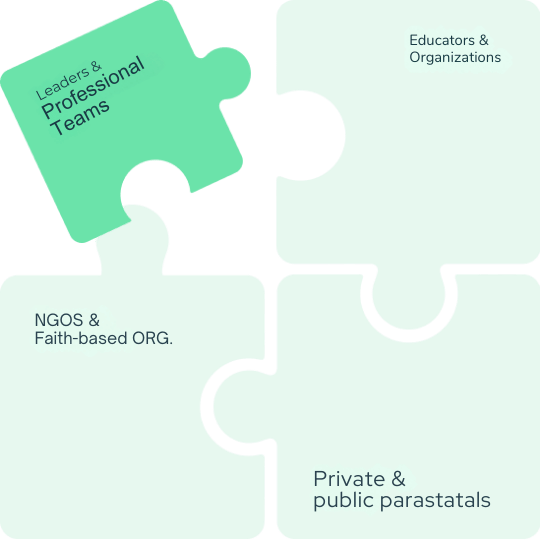
This program is designed for organizations seeking deep, systemic change, including:
If your organization is ready to think beyond conventional capacity building and into formation that strengthens both people and systems, this program is for you.
These are questions participants have raised over time, and we hope the responses offer helpful clarity. If you do not find what you’re looking for, please reach out—we would be happy to engage and respond personally.
CTL works with corporate organizations, small and large businesses, government ministries and parastatals, educational institutions, faith-based organisations, non-profits, and social enterprises. Our engagements are designed for institutions that recognise the importance of leadership, culture, and responsibility in sustaining long-term impact.
CTL’s work is informed by a faith-rooted worldview, but our trainings are designed to be thoughtful, inclusive, and publicly engaged. We work comfortably in plural environments and tailor engagements to the context of each organization without imposing belief systems.
CTL trainings are both reflective and practical. We combine conceptual frameworks with real-world application, encouraging participants to think deeply while engaging the realities of their work, leadership roles, and institutional responsibilities.
No. While CTL has core areas of expertise, each training or consulting engagement is shaped in conversation with the organisation. We believe meaningful formation must be contextual, not generic.
Yes. All CTL engagements are tailored to the specific needs, culture, and challenges of the organisation. This may include customised content, facilitation formats, and duration.
Trainings may be delivered in person, online, or in hybrid formats. Engagements can range from single sessions and retreats to multi-session programs, cohorts, or longer-term consulting relationships.
Facilitations are led by experienced practitioners and educators within the CTL network, often supported by subject-matter contributors and partners, depending on the nature of the engagement.
The duration varies. Some organisations request half-day or full-day sessions, while others engage in multi-week or multi-month programs. Duration is agreed upon during the consultation process.
Certificates may be provided for certain structured programs or cohorts. For consulting and customised organisational engagements, certification is not always applicable, as the focus is on formation and institutional development rather than accreditation.
Organisations can begin by submitting an enquiry through the Training & Consulting form on the website. A member of the CTL team will reach out to explore needs, expectations, and possible engagement pathways.
CTL focuses on formation rather than performance alone. We engage questions of meaning, responsibility, culture, and human dignity, helping organisations think not only about what they do, but who they are becoming.
Yes. CTL has experience working within public and institutional contexts and approaches such engagements with sensitivity to governance, accountability, and public trust.
Fees are based on the scope, duration, format, and level of customisation required for each engagement. Transparent discussions about cost form part of the consultation process.
While outcomes vary by context, organisations typically report greater clarity around leadership, improved alignment between values and practice, healthier organisational culture, and renewed sense of responsibility among participants.
Where appropriate, CTL offers follow-up conversations, coaching, or continued engagement to support long-term impact beyond a single session.
CTL exists to equip leaders and professionals for meaningful work, responsible leadership, and societal transformation—starting from the inside out.